| Livestock Disease Summaries | नेपाली भाषा |
Rumen Acidosis
The rumen contains a complex ecosystem containing many different types of bacteria an protozoa provide the capacity to digest and fermentation many types of carbohydrates, including cellulose in grasses and hay, and starch in grains. The process of digesting these carbohyrates is called fermentation results in production of two major types of acids: volatile fatty acids and lactic acid. Production of acid in the rumen is a normal process, but when too much acid is produced too rapidly, it can lead to a serious problem called rumen acidosis.
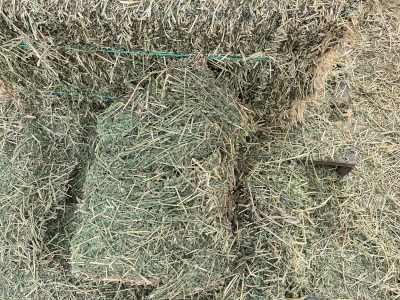
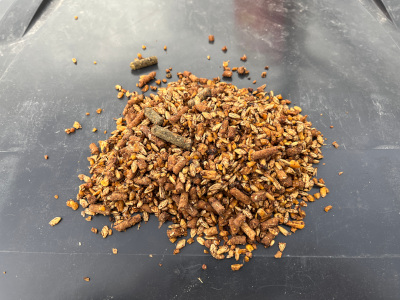
Feeds like hay and grass are digested slowly and rarely cause a problem, but grains are digested rapidly, which can lead to rapid production of large quantities of acid, especially if the animal is not used to that type of feed.
 |
 |
|---|---|
| Grasses and hay: slow fermentation with production of mostly volatile fatty acids | Grains: rapid fermentation resulting in production of a lot of lactic acid |
There are several problems that result from an increase of acid in the rumen:
- Many types of microorganisms in the rumen will die in the presence of high levels of acid, leaving behind those bacteria that produce even more acid.
- Acid damages that inner surface of the rumen, allowing bacteria to enter the bloodstream and cause infections in other organs. An example of this is the development of abscesses in the liver.
- High levels of acid in the rumen results in high levels of acid in blood (called acidosis), which leads to many problems in the animal’s metabolism.
Clinical Signs of Rumen Acidosis
There are two types of rumen acidosis:
Subacute rumen acidosis is a form of disease in which the amount of acid that builds up in the rumen is not high but can cause mild disease that occurs repeatedly. Common clinical signs of subacute rumen acidosis include:
- Decreased feed intake
- Decreased milk production
- Poor body condition even with adequate feed intake
- Unexplained diarrhea
This form of the disease is not easy to diagnose and often does not cause major problems unless it happens repeatedly.
Acute rumen acidosis is often called grain overload because it is usually seen following consumption of large arounds of grain, especially when the animal is not used to such feed. This disease results in dramatic changes in the microbial populations in the rumen and can be very serious. Clinical signs of acute rumen acidosis often occur within hours after consumption of large amounts of grain include:
- Decrease or loss of rumen motility
- Lack of appetite and decrease in feed and water consumption
- Diarrhea and dehydration
- Depression, incoordination, and collapse
- In severe cases, animals often die
Prevention of Rumen Acidosis
The key practice required to prevent ruminal acidosis is to adapt animals slowly to a diet containing large amounts of grain – do NOT rapidly change diets. Some authorities suggest feeding animals a buffer such as sodium bicarbonate.
Another suggestion is to always feed ruminants some long stem grass or hay – this will increase the amount of saliva they produce and swallow. Saliva is rich in the bicarbonate, which will help to neutralize acid produced in the rumen.
Diagnosis of Rumen Acidosis

Diagnosis of subacute rumen acidosis can be difficult but is suspected if animals periodically show lack of appetite, decreased milk production and diarrhea.
Diagnosis of grain overload is usually obvious from a history of consuming large arounds of grain. Diagnosis can be confirmed sampling rumen fluid and finding high levels of acid (pH less than 5.5).
Treatment of Rumen Acidosis
For suspected cases of subacute rumen acidosis and mild cases of acute acidosis, give the animal sodium bicarbonate (baking powder: 100 to 150 grams for an adult cow) mixed with water orally using a syringe or stomach tube.
Treatment of severe cases of acute rumen acidosis is challenging and often requires surgical removal of rumen contents and administration of fluids to decrease the acidosis.
 Back to Index Back to Index |
Send comments to Richard.Bowen@colostate.edu